

Coping With Loss at Work
The endings we carry on shift, and the ones nobody names.
Loss does not only mean a funeral.
It is a child leaving for university. The last hitch on a job. A relationship that is over. A pet that was part of the house. A coworker who does not come back. A body that is changing. A season of life that is finished, even if nobody else can see it.
Most people still have to show up. Hard hat on. Ticket filled out. Crew waiting. So they pack the ending in the truck and call it fine.
That load does not stay in the truck.
Grief at work looks like lack of communication, mental distraction, sitting alone at coffee, or snapping at someone who didn’t earn it. You can be good at the job and still be in an ending. Those two things can live in the same person.
Work culture is built around getting things done and getting through the day. That has value. The job still has to get done. Safety still matters. But “leave it at the door” only works until the door is the only place you have left to put it. Unnamed endings leak. They leak into focus, into communication, into the way you drive home, into how you talk to the people you are trying not to worry.
Coping at work does not mean a speech on location. It does not mean falling apart in the doghouse. It starts with telling the truth to yourself.
Something is over.
It costs something.
I can still do my job, and I do not have to pretend this is nothing.
That acknowledgment is the first form of regulation. When you refuse to name an ending, the nervous system keeps scanning for it. When you name it, you give the day a chance to be the day, instead of a cover story.
Practical coping on shift is simple and human.
-
Notice what you are carrying before you walk in.
-
Tell one safe person if you have one. Not the whole story. Just “I am in something.”
-
Do the next right task. Grief and competence can sit together.
-
Do not use the hitch to disappear from your own life. Numb works for a while.
Then it collects interest.
When you get home, let the ending have a little room. A walk. A conversation. A quiet hour. Something besides more noise.
People around you may be carrying an ending too. The guy who is quiet. The lead who is sharp for no good reason. The new hand who cannot settle. You do not have to fix them. You can leave a little more space than usual. That is also safety.
We all go through endings. Big ones and small ones. The ones with casseroles and the ones nobody brings a meal for or acknowledges. Work is often where we try to outrun them though. Work is also where they show up anyway.
You do not have to do that part alone.
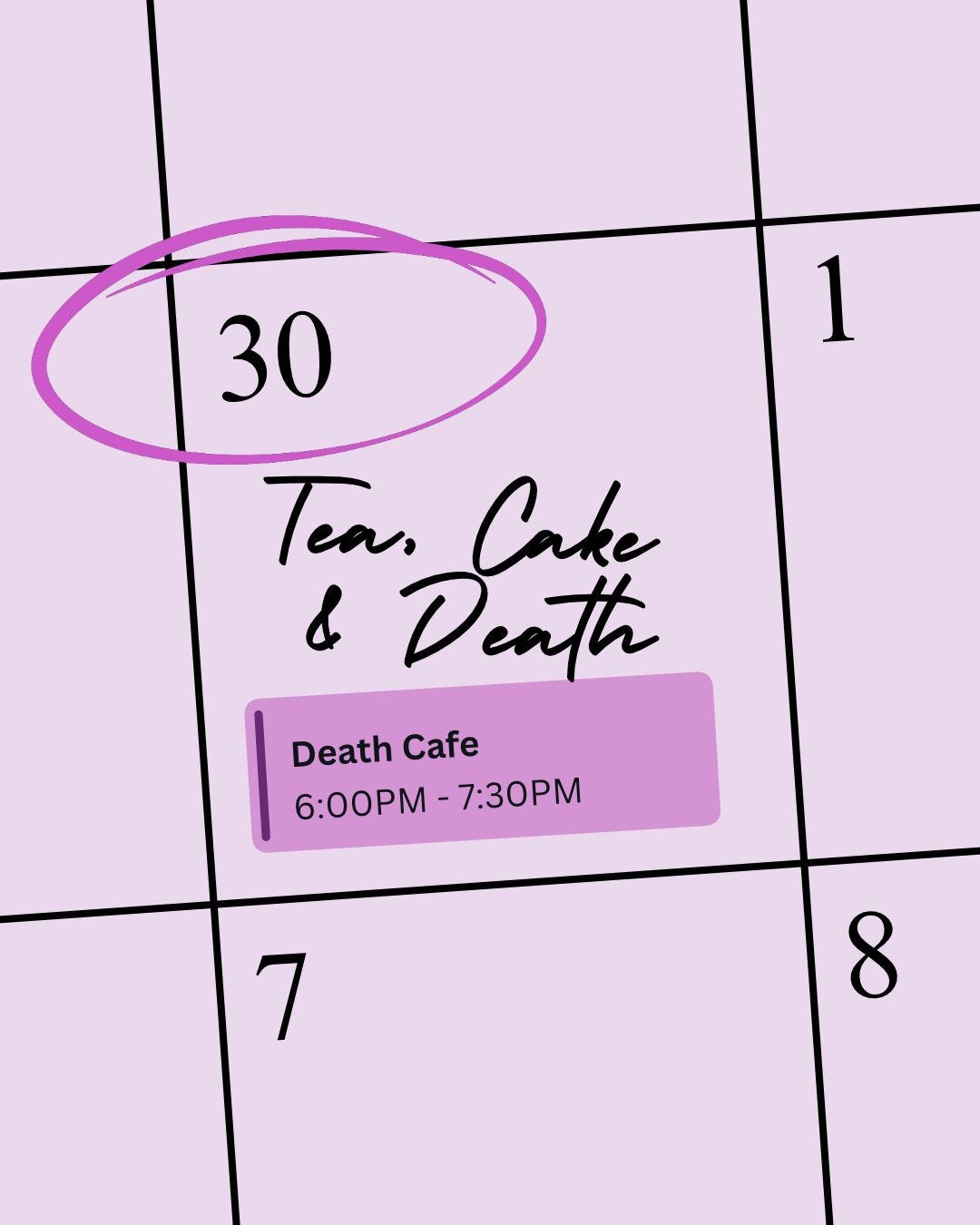
I am hosting a Death Cafe in Strathmore on September 30. It is a simple, judgment-free gathering to talk about death, dying, grief, and the endings (in all capacities) we do not always have language for. No one is there to sell you a belief or tidy up your story. You come as you are.
Please email me for more information on the event.
I will also be hosting online gatherings for workers soon, for the people who cannot get to a room in town between hitches.
If you are carrying something to work that nobody has named, you are not weak. You are human. The job still needs you present. Your life still needs you honest.
The question is not whether you’ll have an ending.
It is whether you are allowed to admit it without losing your place on the crew.
You can do the job and still tell the truth about what is finished.
An ending is still an ending. What comes next only has room if you stop pretending this one did not happen.
Meghan, The Blue Collar Coach


